Houseplants are easy to care for when you know the right tips. It all starts with picking plants that suit your space and lifestyle. Learning to spot common problems, like drooping leaves, also helps. With the right care, your plants will thrive and beautify your home. Here’s how to get started.
Choosing the Right Plants
Indoor plants have specific needs. Some, like succulents, thrive in dry soil and plenty of light, while others, like ferns, need moisture and shade. Start with low-maintenance plants like pothos or snake plants. These are ideal for beginners since they can tolerate a variety of conditions.
Why Indoor Plants Matter
Houseplants do more than look pretty. They clean the air, remove toxins, and produce oxygen, all of which are essential for a healthier indoor environment. Studies show that plants can improve mood, reduce stress, and even help with concentration, making your space feel more inviting and peaceful.
Common Indoor Plant Types
When selecting indoor plants, it’s best to start with varieties that are easy to care for and can adapt well to your home environment. As you become more confident in plant care, you can gradually introduce more demanding options. Here are some beginner-friendly plants to consider:
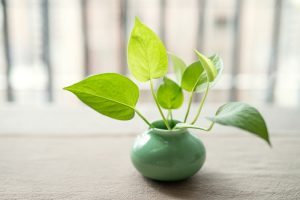 Pothos: A resilient plant that thrives in a variety of light conditions and requires minimal maintenance.
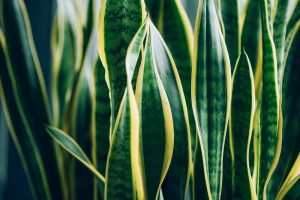
- Snake Plants: Known for their tolerance to low light and infrequent watering needs.
- ZZ Plants: Perfect for beginners, as they need little water and can thrive in indirect light.
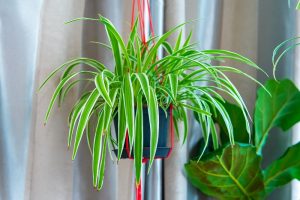
- Spider Plants: Hardy and easy to grow, with low light and watering requirements.
- Peace Lilies: These plants need slightly more care but are great for improving indoor air quality.
- Fiddle Leaf Figs: A more demanding plant, ideal for those looking to challenge their plant care skills.
These plants are perfect for creating a green space without overwhelming your schedule. As you gain more experience, you can expand your collection with more specialized varieties.
Important Tips for Beginners
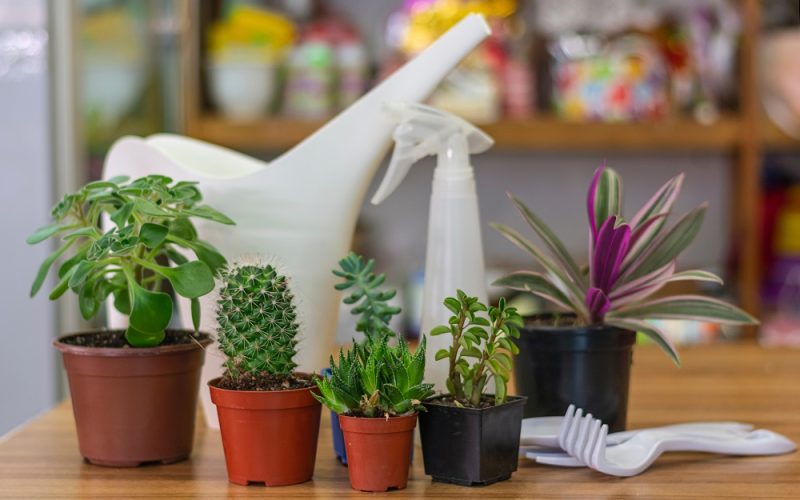
To care for your plants, you need a few basic tools: a watering can, trowel, pruning scissors, and possibly a moisture meter. Regularly mist humidity-loving plants like ferns, and keep track of your watering schedule. A plant care journal or app can help you stay on top of tasks.
- Pick the Right Spot: Different plants have different light needs. Succulents need bright light, while snake plants and pothos can thrive in low light. Consider how much sunlight your home gets before selecting plants. Keep in mind that plants like a stable environment, so avoid placing them in drafts or near heat sources.
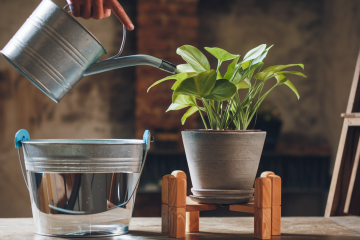
- Watering Tips: Overwatering is a common mistake. Always check the soil before watering. If the soil feels dry, it’s time to water. If it feels moist, wait a few days. Most plants prefer to dry out a little between waterings. Watering too much can cause root rot, while too little will stress the plant and cause leaves to yellow or drop.
 Soil and Potting Needs: The soil type matters—succulents like sandy soil, while ferns prefer rich, loamy soil. Make sure the pot has drainage holes to avoid water buildup. If your plant outgrows its pot, move it to a larger one with fresh soil to promote healthy growth.
- Temperature and Humidity: Most indoor plants do best in temperatures between 65°F and 75°F (18°C to 24°C). Keep them away from cold drafts or heat sources like radiators. Some plants, like ferns, prefer higher humidity, which can be increased with a humidifier or a simple pebble tray.
- Fertilizing: Fertilizing helps plants grow strong, but not all plants need fertilizer at the same time. During the growing season (spring and summer), use a balanced, water-soluble fertilizer every 4-6 weeks. In the winter, most plants go dormant and don’t need fertilizer. Always follow the instructions to avoid overfeeding.
- Pruning and Maintenance: Regular pruning keeps your plants healthy by removing dead or yellowing leaves. This helps the plant put energy into new growth. Also, dust the leaves regularly to keep them clean and free from pests. Check for common issues like spider mites or aphids, which can often be solved with neem oil or insecticidal soap.
Troubleshooting Common Issues
Caring for plants can be tricky. If your plants are struggling, it might be due to overwatering, too much or too little light, pests, or even the wrong soil. Here are some common problems and their solutions:
 Yellowing leaves: Often caused by overwatering. Let the soil dry out and avoid watering until it’s needed.
- Wilting or drooping: This could be from underwatering or inadequate light. Check both soil moisture and lighting conditions.
- Brown leaf edges: Often a sign of low humidity. Increase humidity with a humidifier or pebble tray.
How to Spot Pests
Common indoor pests include aphids, mealybugs, and spider mites. You may notice tiny webs, sticky residue, or discolored leaves. Treat the plant with insecticidal soap or neem oil, and isolate it from other plants to prevent the pests from spreading.
Cultivate Success with Your Indoor Plants
Now that you know the basics, start with easy plants like succulents or pothos, which can thrive with minimal care. Make sure they get enough water and light, and watch out for pests.
Experiment with different spots—some plants prefer sunlight, while others do well in shade. Enjoy your houseplant journey and improve with each new plant.
Stay informed with Green Nest News for more tips on gardening and reducing your carbon footprint.