

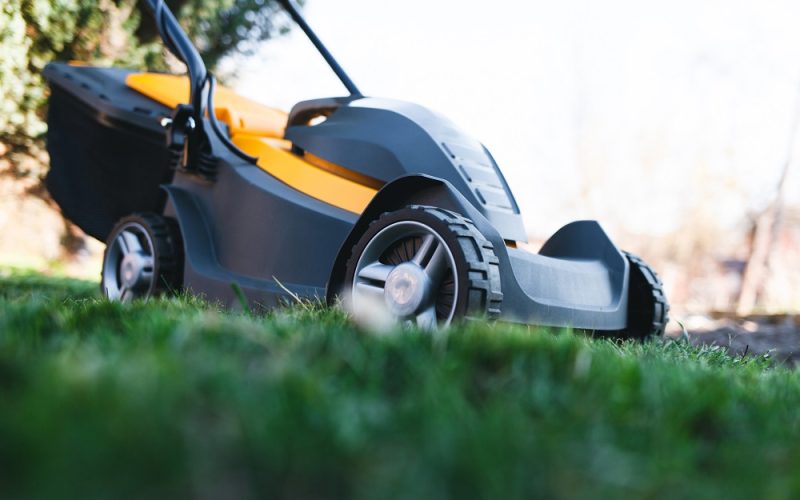
Gardening equipment has evolved significantly, with battery-powered tools becoming 30% more popular in recent years. Deciding between battery-powered and gas-powered tools requires a close look at their pros and cons.
Battery-powered tools are quieter and eco-friendly, ideal for urban gardening. Gas-powered tools, on the other hand, offer more power for demanding tasks but are less environmentally friendly. The choice depends on your gardening needs, budget, and values.
Understanding Equipment Types
Gardening tools are broadly categorized into battery-powered and gas-powered options, each designed to meet specific gardening needs. Battery-powered tools, such as electric mowers, cordless blowers, chainsaws, and hedge trimmers, are lightweight and easy to use.
These tools are popular among eco-conscious gardeners for their quiet operation and environmentally friendly design. In contrast, gas-powered tools, including gas mowers, heavy-duty chainsaws, and blowers, are renowned for their durability and power. These are often preferred by professionals handling demanding landscaping tasks.
What Are Battery-Powered Tools?
 Battery-powered gardening tools are valued for their convenience and portability. Powered by advanced lithium-ion batteries, they are light, efficient, and simple to operate. Tools like electric mowers, leaf blowers, and hedge trimmers perform exceptionally well in small to medium gardens, while lightweight chainsaws are perfect for precision cutting tasks.
Many manufacturers now offer interchangeable battery systems, allowing a single battery to power multiple tools, which saves both space and money. These tools are also low-maintenance, as they don’t require oil changes or fuel storage. Additionally, their quiet operation makes them an excellent choice for residential areas.
What Are Gas-Powered Tools?
Gas-powered tools are the go-to choice for heavy-duty gardening tasks, offering unmatched strength and performance. Powered by gasoline engines, they are designed to handle large-scale jobs with ease. Gas mowers are ideal for cutting thick grass, while chainsaws and blowers excel in managing challenging outdoor tasks.
Their reliability ensures consistent power over extended periods, making them a preferred choice for larger yards and professional landscaping projects. However, these tools require regular maintenance, such as oil changes and filter replacements, and they emit pollutants that impact air quality and the environment.
Comparing Advantages and Disadvantages
Understanding the strengths and limitations of each type can help you make the right choice.
Battery-Powered Tools: The Quiet and Eco-Friendly Option
Advantages:
- Eco-Friendly: Zero emissions support cleaner air and reduce your carbon footprint.
- Quiet Operation: Perfect for residential areas, ensuring minimal noise disturbance.
- Lightweight: Easy to handle, especially for small to medium gardens.
- Low Maintenance: No need for oil changes or frequent repairs.
- Convenient: Interchangeable battery systems save time and effort.
Drawbacks:
- Limited Runtime: Batteries may last 30–60 minutes before needing a recharge.
- Higher Initial Costs: Upfront investment can be a barrier.
- Battery Replacement Costs: Lithium-ion batteries degrade over time, adding expenses.
- Less Power: Not ideal for large-scale or demanding tasks.
Gas-Powered Tools: The Powerhouse for Tough Jobs
Advantages:
 High Power: Ideal for dense grass, thick vegetation, and challenging tasks.
- Extended Run Time: Continuous operation without interruption as long as there’s fuel.
- Weather Versatility: Reliable in all weather conditions.
- Durable: Built for frequent use with proper maintenance.
Drawbacks:
- Environmental Impact: Emits harmful gases that affect air quality and climate.
- Noisy: Loud operation can disturb neighbors and limit residential use.
- High Maintenance: Requires oil changes, fuel storage, and regular upkeep.
- Ongoing Costs: Fluctuating fuel prices and frequent refueling add to expenses.
Side-by-Side Comparison
Feature |
Battery-Powered Tools |
Gas-Powered Tools |
|---|---|---|
| Power | Moderate – Light to medium tasks | High – Ideal for heavy-duty tasks |
| Environmental Impact | Zero emissions – Eco-friendly | High emissions – Polluting |
| Noise Levels | Quiet – Suitable for residential areas | Loud – May disturb neighbors |
| Maintenance | Low – Minimal upkeep | High – Requires regular maintenance |
| Operational Costs | Low – No fuel needed | High – Ongoing fuel costs |
| Initial Cost | Higher upfront investment | Lower initial cost |
| Durability | Long-lasting with battery care | Durable with regular maintenance |
| Run Time | Limited by battery life | Unlimited with fuel |
| Ease of Use | Lightweight and portable | Heavier and more robust |
Environmental Impact Analysis
Battery-powered tools align with sustainability goals, reducing fossil fuel dependency and air pollution. Gas-powered tools, while powerful, contribute to noise and air quality issues.
Air Quality
 Gas-powered equipment emits pollutants like carbon monoxide and nitrogen oxides, impacting respiratory health. Battery-powered tools eliminate emissions, creating healthier communities and supporting stricter air quality standards.
Sustainability
Rechargeable batteries in electric tools reduce fossil fuel reliance. Recycling old batteries further supports eco-friendly gardening practices.
Cost and Efficiency
Cost is an important factor. Battery-powered tools have higher upfront costs but save money through reduced maintenance and operational expenses. Gas-powered tools may appear cheaper initially but incur ongoing fuel and repair costs.
Selecting the Right Equipment for Your Needs
Your gardening needs, yard size, and frequency of use will determine the best choice.
- Battery-Powered Tools: Great for smaller gardens and eco-conscious users. They are lightweight and ideal for quiet, low-maintenance tasks.
- Gas-Powered Tools: Suited for larger properties and demanding tasks, offering unmatched power and durability.
Find Your Ideal Gardening Solution
Choosing between battery-powered and gas-powered tools depends on your goals, budget, and gardening style. Battery-powered tools are quieter, eco-friendly, and perfect for light tasks, while gas-powered tools excel in power and reliability for large-scale projects. Stay informed with Green Nest News for the latest insights and updates on sustainable gardening practices. Explore more today!
