Starting a vegetable garden is a great way to grow fresh, healthy food while enjoying time outdoors. With the right tools, soil, and setup, your plants will thrive whether you have a large backyard or a small patio. Planning ahead makes the process easier and helps your vegetables grow well.
Supplies You Need to Get Started
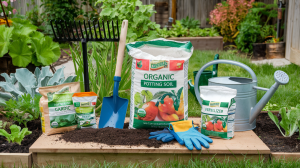
Before planting, gather the basic tools and materials to make gardening more manageable. A sturdy trowel, durable gloves, and a reliable watering can are must-haves. If you have limited space, raised beds or containers can work well. Hoses with spray nozzles simplify watering, and a soil test kit helps determine what nutrients your soil needs for better growth.3
Choosing the Right Spot
Picking a good location plays a major role in how well your vegetables grow.
Find a Sunny Area
 Most vegetables need at least six to eight hours of direct sunlight each day. Tomatoes, peppers, and cucumbers do best in full sun, while lettuce and spinach can handle some shade. If your yard gets more than eight hours of sun, check that your soil drains well. If water pools in certain areas, raised beds can help improve drainage.
Keep Water Within Reach
Watering is easier when a water source is nearby. Plants need consistent moisture, especially in hot weather. A hose, watering can, or drip irrigation system helps ensure your plants get the right amount of water without the hassle of frequent trips back and forth.
Preparing the Soil for Healthy Plants
The foundation of a thriving garden starts with good soil. Taking time to prepare it before planting will help your vegetables grow well.
Add Organic Material
Mixing compost, aged manure, or other organic materials into the soil improves moisture retention, drainage, and nutrient levels. Spread a two-inch layer of compost over your soil in the fall or early spring to give it time to break down and improve soil quality.
Loosen and Level the Soil
Roots grow best in soft, well-aerated soil. Use a garden fork or tiller to break up compacted soil to a depth of eight to twelve inches. This allows roots to absorb water and nutrients more effectively. After loosening the soil, rake it smooth so seeds and seedlings establish properly.
Gardening Tools You’ll Need
Having the right tools makes gardening more enjoyable and helps you work efficiently.
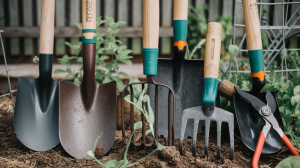 Shovel – A round-point shovel is great for digging, while a flat-edged shovel works well for leveling soil. Choose one with a strong steel blade and a comfortable handle.
- Hand Trowel – A hand trowel is useful for planting seeds and moving small plants. A sturdy metal blade with a comfortable grip works best.
- Garden Fork – This tool helps loosen soil and improve airflow. Look for one with strong, rust-resistant tines for long-term use.
- Hoe – A draw hoe is useful for cutting weeds, while a stirrup hoe works well for maintaining garden beds.
- Pruners – Bypass pruners are ideal for trimming plants and harvesting vegetables without damaging stems.
Protective Gear for Comfort and Safety
Gardening requires movement, so wearing the right gear will keep you comfortable.
- Gloves – A good pair of gardening gloves protects your hands from dirt, cuts, and thorns. Look for breathable, moisture-resistant fabric that fits well.
- Knee Pads – Kneeling for long periods can be uncomfortable. Cushioned knee pads help reduce pressure on your knees.
- Sun Hat – A wide-brimmed hat protects you from the sun and keeps you cool. Choose one made from lightweight, breathable fabric with a chin strap to keep it secure on windy days.
Picking the Right Vegetables
Choosing vegetables suited to your climate and taste makes gardening more rewarding.
Grow What You Love to Eat
If you enjoy fresh salads, try planting lettuce, cucumbers, and tomatoes. Love making salsa? Grow peppers, onions, and cilantro. Choosing vegetables that you and your family enjoy will make your harvest more satisfying.
Choose Vegetables That Fit Your Climate
 Different plants thrive in different conditions. Check your growing zone and pick vegetables that do well in your area. Cool-season vegetables like spinach and kale grow best in spring and fall, while warm-season crops like zucchini and bell peppers need summer heat.
Plan for Different Seasons
To get fresh vegetables for a longer period, grow a mix of cool-season and warm-season crops. If you’re just getting started, a 10×10-foot garden with three to five vegetable varieties is a good way to begin.
Starting Your Garden with the Right Approach
Getting started with vegetable gardening takes planning, but with the right tools, soil, and watering system, you’ll set yourself up for success.
Growing vegetables is a great way to eat fresh food, save money, and enjoy time outside. Whether you’re planting a few pots on a patio or setting up raised beds in your backyard, gardening is a rewarding experience.
For more gardening tips and updates, stay connected with Green Nest News!