

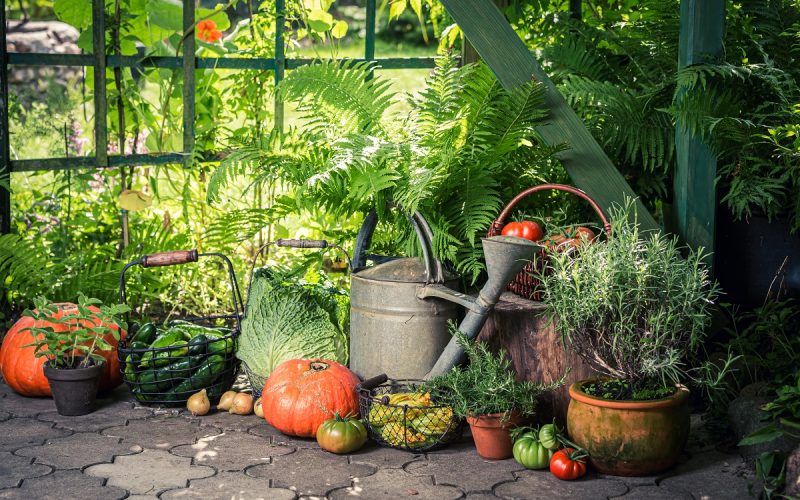
Looking to create a more sustainable backyard? By incorporating eco-friendly landscaping ideas, you can turn your outdoor space into a thriving, environmentally conscious sanctuary.
From choosing the right native plants to implementing water-saving strategies, these simple yet effective tips can help you reduce your ecological footprint while enhancing the beauty of your garden. Let’s explore some easy ways to bring nature and sustainability together in your own backyard.
What Is Eco-Friendly Landscaping?
 Eco-friendly landscaping is about using sustainable practices to conserve resources, promote biodiversity, and reduce your environmental footprint. Techniques such as organic mulching, water conservation, and the use of native plants play a big role in creating a greener space. Mulch, for example, can reduce your garden’s water usage by up to 50% while enriching the soil.
Using solar-powered lights reduces energy consumption, while simply leaving grass clippings on your lawn can help keep it healthy and hydrated without extra watering. These simple steps allow you to create a beautiful, sustainable backyard that benefits both you and the environment.
How Eco-Friendly Landscaping Benefits You
Sustainable landscaping isn’t just about saving the planet—it’s about creating a healthier and more efficient outdoor space. Using mulch to retain moisture and control weeds reduces the need for water and pesticides, helping you save money in the long run. Grass clippings provide natural fertilizer, and solar lights illuminate your yard without contributing to your energy bill.
By choosing native plants, you reduce your need for watering and chemical treatments while fostering local wildlife. Whether it’s reducing your carbon footprint or enjoying a low-maintenance garden, eco-friendly landscaping brings long-term benefits for you and the planet.
Sustainable Landscaping Tips for Your Backyard
Transforming your backyard into an eco-friendly space requires more than just choosing the right plants. By incorporating sustainable practices like water conservation and reducing chemical use, you can create a garden that’s both beautiful and beneficial to the environment.
- Plant Native Flora: Native plants are naturally adapted to your region’s climate and soil, meaning they need less water and care. Perennials that return every year also reduce the effort needed to replant, creating a self-sustaining garden.
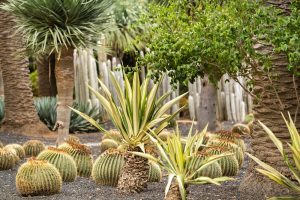 Practice Xeriscaping: Xeriscaping, or water-efficient landscaping, uses drought-tolerant plants and mulch to minimize water use. This approach helps conserve precious water resources while reducing maintenance.
- Smart Irrigation: Efficient watering systems adjust based on weather patterns to avoid over-watering. These systems help you conserve water and make sure your plants receive exactly what they need.
- Rainwater Harvesting: Collecting rainwater in barrels or other containers provides free, sustainable water for your garden. This reduces reliance on municipal water and keeps your outdoor space thriving during dry periods.
- Choose Drought-Resistant Plants: Plants like moss or succulents thrive in dry conditions, reducing your garden’s water demands. These hardy plants are not only beautiful but also help prevent soil erosion, particularly on slopes.
Energy-Efficient Solutions for Your Backyard
Eco-friendly backyards can also help you save energy. Solar-powered lighting, LED fixtures, and energy-efficient appliances are all excellent choices for reducing your energy consumption.
- Solar Lighting: Solar-powered lights use the sun’s energy to illuminate your garden, saving electricity and creating a relaxing ambiance.
- LED Lighting: LED lights consume less energy and last longer than traditional bulbs, making them an environmentally-friendly choice for outdoor spaces.
- Energy-Efficient Appliances: Upgrade to eco-friendly outdoor appliances such as solar-powered grills or refrigerators to reduce energy use while enjoying your backyard.
Reducing Waste and Chemicals in Your Backyard
 Another key component of eco-friendly landscaping is waste reduction. By using organic mulch and avoiding chemical fertilizers and pesticides, you can maintain a healthy garden that’s safe for the environment.
By choosing sustainable practices like composting, reducing waste, and using natural products, you not only create a healthier garden but also contribute to a greener planet.
The Future of Eco-Friendly Landscaping
Sustainability in landscaping is not just a trend—it’s an ongoing movement. As more people look for ways to reduce their environmental impact, the demand for eco-friendly backyard solutions continues to grow. By adopting these green practices, you can be part of the solution to a healthier, more sustainable future.
For more tips and news on sustainable living, stay tuned to Green Nest News. We’re here to provide the latest insights on eco-friendly home improvements and how you can make a difference with every choice you make.
