Sustainable gardening promotes growing plants while saving resources for future generations. It helps both people and wildlife through composting, water conservation, and planting native species, which cut waste and enhance biodiversity.
Start practicing sustainable gardening in the backyard or urban area to support the environment. Interested in making a difference? Join Green Nest News for important environmental updates and help create a healthier planet. Subscribe today and join the movement!
What Is Sustainable Gardening?
Sustainable gardening brings about balance with the ecological and preserves more resources because it works hand in hand with nature. This type of gardening ensures the attraction of pollinators such as butterflies, moths, and bees by allowing native species to thrive. This has to keep up water conservation while xeriscaping reduces irrigation.
Lawns need at least one inch of rain every week, so overwatering is not done. Using materials that are recycled like having compost bins and trimmings makes less waste and enriches the soil. Organic practices do not use synthetic chemicals; instead, natural treatments keep plants healthy.
Use Organic Practices
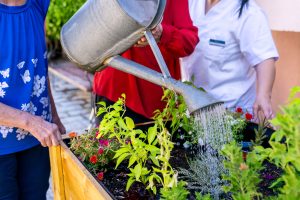 Teaching about the technique of sustainable gardening helps build healthy soil and supports growth without synthetic pesticides. With organic methods, this is how effective it can be in reducing environmental impact while ensuring thriving plants.
Avoid Synthetic Chemicals
Synthetic pesticides and herbicides are bad for gardens and the environment in general. The removal of these chemicals ensures the preservation of helpful insects like bees and ladybugs, which play a critical role in pollination and pest control.
Companion planting, such as planting tomatoes with basil, is a natural pest repellent. Furthermore, chemical runoff contaminates water bodies, which affects aquatic life. Natural pest control methods, including neem oil and beneficial insects, protect the ecosystem better.
Use Natural Fertilizers
Compost and manure are different organic fertilizers that benefit the plant and soil by improving soil structure and increasing microbial activity. Organic nutrients are provided by kitchen scraps and manure.
There are also banana peel tea and crushed eggshells; these are natural at a very minimal cost. As gardeners, by following organic farming principles, they can maintain a healthy and productive garden.
Maintain Healthy Soil
Organic farming relies on healthy soil. Soil tests from time to time will indicate nutrient levels and pH, thus letting a person make better decisions. Crop rotation as well as cover cropping with plants such as clover enhance the structure of the soil and prevent nutrient depletion.
Organic matter in the form of leaf mulch as well as compost enriches microbial activities that ensure a resilient and diverse soil ecosystem.
Choose Sustainable Plants
The plant species chosen should adapt to local conditions to reduce water consumption and labor on maintenance. The combination of perennials and annuals will enhance biodiversity, as well as supporting pollinators and building up the ecosystem.
Select Native Plant Species
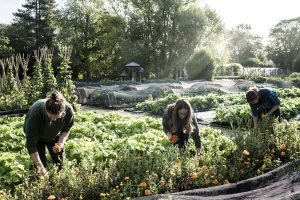 Native plants thrive under local climatic conditions, with little water, fertilizers, or pesticides. They also attract species of pollinators, such as bees and butterflies, like milkweed and goldenrod.
It is relatively easier to remove such invasive species as English ivy or Japanese knotweed while remedying biodiversity and maintaining native ecosystems.
Grow Drought-Tolerant Plants
Drought-resistant plants, such as Flower Carpet roses and Storm agapanthus, need very little watering once established.
Xeriscaping includes these plants with gravel or ground cover to create attractive, water-conserving landscapes. Succulents and ornamental grasses also thrive with little to no summer irrigation.
Incorporate Perennials for Longevity
Perennials like daylilies and echinacea grow back year after year, thus eliminating the need to plant them over and over again. These plants will offer a perennial home for insects and birds, thus enhancing biodiversity.
There are also perennials for herbs, with a variety that will give perpetual harvests of thyme and chives, thus being sustainable and simple to incorporate into any garden.
Use Companion Planting for Support
It boosts plant health and defends against pests in a chemical-free way. The marigolds protect tomatoes against the nematodes, while the basil enhances the flavor of peppers. In addition to all this, the presence of dill makes ladybugs show up, hence assisting in organic pest control.
Save and Reuse Seeds
The collection of seeds from plants like tomatoes and sunflowers reduces the dependency on commercial seeds and enhances garden diversity.
This helps in increasing the strength of the plant and is cost-effective. Local seed exchanges promote biodiversity and increase community involvement among gardeners.
Grow Food Sustainably at Home
Sustainable gardening also promotes food production by using eco-friendly means like composting and organic fertilization. The cultivation of different species helps the gardeners grow balanced ecosystems that survive without synthetic chemicals.
Start a Vegetable or Herb Garden
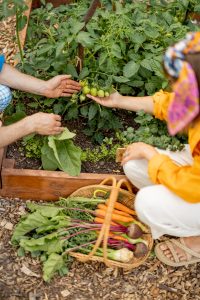 Home gardens provide a means of growing fresh fruits and vegetables sustainably, boosting food security, and improving access to healthy food.
A location that receives at least six hours of sunlight per day is essential. Raised beds enhance soil health and drainage. Planning by considering crop rotation and companion planting ensures optimal yields and soil maintenance.
Use Vertical Gardening Techniques
Vertical gardening optimizes the space available in urban areas. Ventilation and penetration of sunlight are improved by using trellises, wall planters, and hanging pots, reducing mold and pest issues.
Cucumbers and beans perform wonderfully on trellises, and strawberries thrive in vertical planters. All these methods allow individuals with limited out-of-doors space to maintain productive gardens.
Rotate Crops for Soil Health
Crop rotation maintains the soil’s fertility and reduces pest infestations by altering plant species. For instance, planting legumes following leafy greens enriches the soil with nutrients, thus reducing the application of synthetic fertilizers. This method enhances sustainability and guarantees long-term garden productivity.
Design an Eco-Friendly Garden
A sustainable garden involves more than an assortment of flowers. It is a blend of renewable resources, energy-saving systems, and strategic design that cooperates with nature’s cycles.
Use Renewable Materials for Structures
While constructing such features as decks, fences, or pergolas in a garden, one should use environmentally friendly materials.
FSC-certified wood from sustainably managed forests, reclaimed bricks, and recycled metal are some of the sustainable options. Composite decking that uses recycled plastics is durable and low maintenance, hence a sustainable option.
Incorporate Energy-Efficient Lighting
Solar garden lights enhance the beauty of the outdoors and save energy. LED lights are more energy-efficient, use less power, and last longer than ordinary incandescent bulbs.
Placing solar lanterns and LED spotlights strategically around the garden will enhance the ambiance at night while keeping the garden environmentally friendly.
Plan for Seasonal Planting
A properly planned seasonal garden is year-round beautiful. A planting calendar will assist in the proper choice of the appropriate seasonal plants so that replanting is less frequently required. Native plants require less water and less maintenance, thus being the most suitable for sustainable landscaping.
Being climate-conscious will guarantee resilience, particularly through the introduction of drought-resistant species during periods of dryness.
Growing a Greener Future: Embracing Sustainable Gardening
Sustainable gardening helps local communities and the environment. Practices like organic gardening, water conservation, and planting native species promote ecosystem health. Simple steps, such as reducing lawn size and composting, can significantly improve the surroundings.
Home gardens provide fresh produce, save money, and reduce waste, enhancing soil health and water quality. By gardening sustainably, we contribute to a healthier planet. Join the Green Nest News community for eco-friendly tips and inspiring gardening stories. Subscribe today for a sustainable future!