

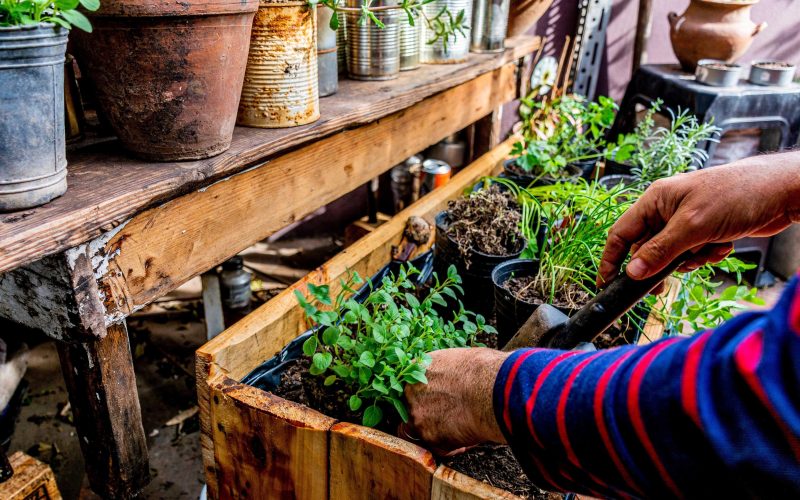
Urban gardening is a wonderful way to grow your plants, even if you don’t have a big backyard. Whether you live in an apartment, condo, or house with limited outdoor space, you can create a thriving garden right where you are.
From container gardening on your balcony to vertical gardens on your walls, there are plenty of creative ways to bring greenery into small spaces. In this guide, we’ll share easy tips and tricks to help you start your urban garden and enjoy the benefits of growing your plants. This is a perfect guide for beginners to enjoy urban gardening in the smallest space possible. Learn how to make your green oasis today; check our platforms for more reliable information at Green Nest News.
Understand Urban Gardening
Urban gardening is an excellent method of growing food anywhere in the world. One must understand the last frost date of their area to know when to sow seeds in the ground to give a good start to the plants. Every plant requires different lighting; for example, crops like broccoli and kale need only 4 to 6 hours of sunlight, but tomatoes and beans grow more in over 6 hours of sunlight.
Urban gardening will become more important with the growth of urban areas. In addition to fresh produce, these gardens improve mental health and reduce anxiety and heart disease. Start small and gradually expand your garden each season to learn and improve. The key to success lies in quality soil, so build healthy soil from the beginning.
Preparing for Your Urban Garden
Establishing an urban garden requires careful planning and consideration to maximize the potential of limited space while ensuring a thriving environment for plants. Begin by assessing the available area, whether it be a balcony, rooftop, or small backyard, and evaluate the sunlight exposure, wind patterns, and accessibility to water sources.
Choosing Suitable Plants
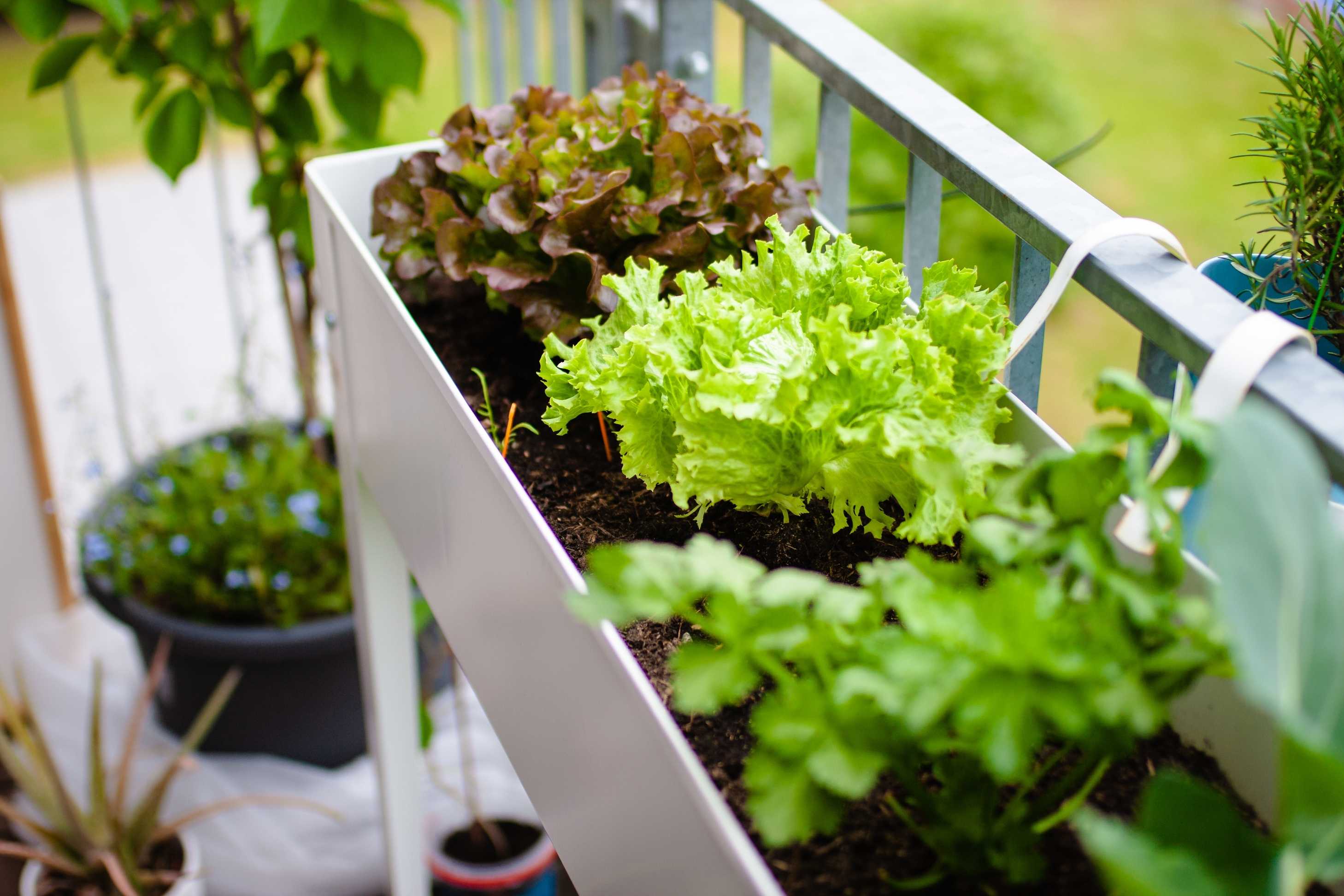 Remember, start small, and it is always a good idea. It is smart to begin growing 15 different varieties and growing more each year. Compact or determinate plant varieties, such as dwarf tomatoes and bush beans, are great for tight areas.
They don’t occupy much space and yield quite an abundant crop. Knowing the last frost date of your region will give you a better idea of when to start planting. Furthermore, the amount of sunlight that your space receives determines what kind of plants can thrive in that space.
Choosing the Right Containers
The right container to be chosen is very important. The drainage should be proper, and the root should be big enough to accommodate the container. Some of the choices for such containers are terra cotta pots, fabric grow bags, and plastic containers.
The smaller pots work well for herbs and greens, but tomatoes require much space. Ensure that containers are placed in the right spot with the appropriate sun exposure.
Soil Selection and Fertilizers
Soil is the most important ingredient in any garden. Quality soil forms the base of your garden. High-quality potting mix specially prepared for containers, sometimes laced with compost, can work wonders and help in nutrient delivery.
A slow-release fertilizer will make sure that there is always enough nutrient supply to your plants. Plants grow differently in sand, clay, or another form of soil. Knowing what kind of soil your plant prefers will contribute to more success.
Watering Techniques
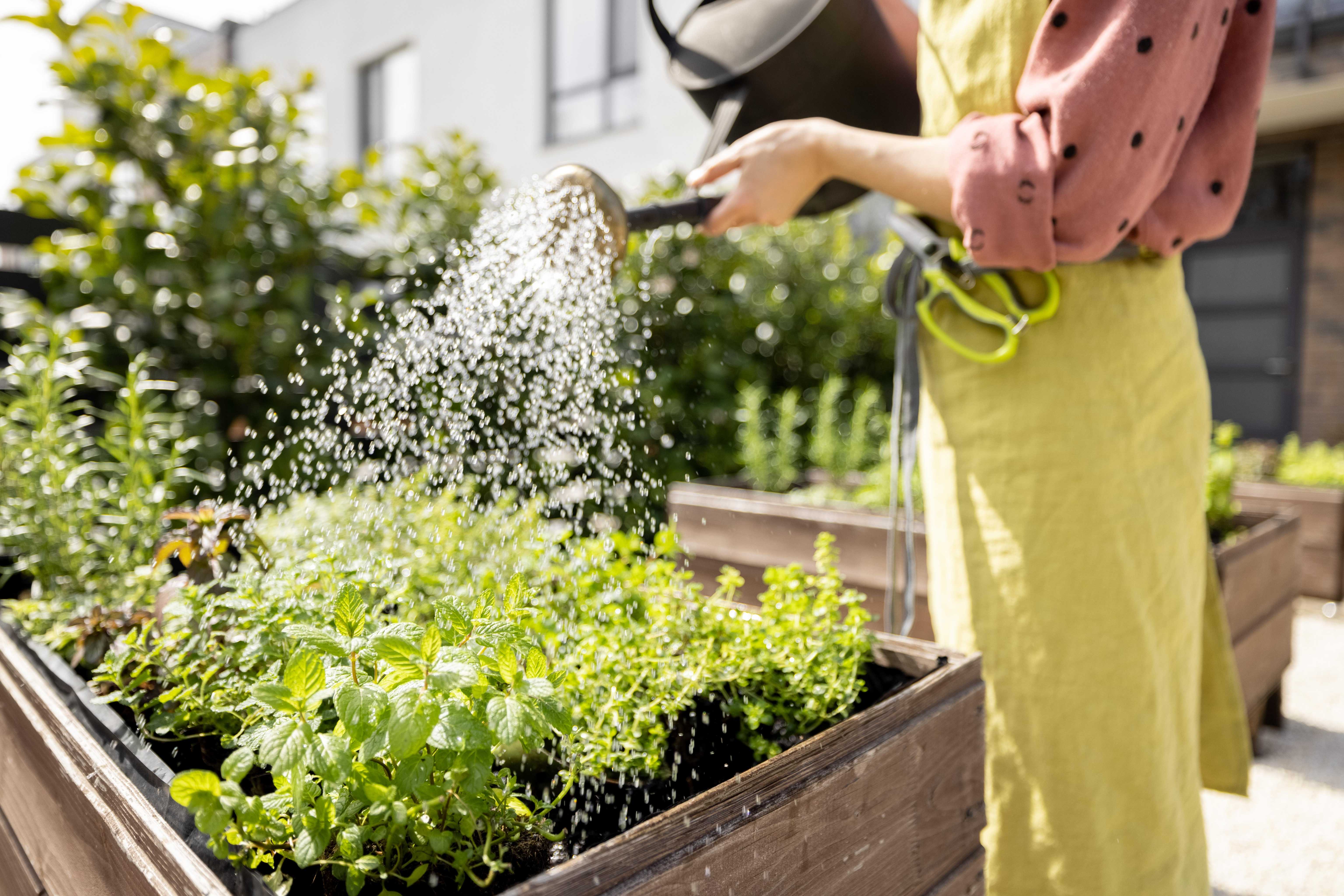 Water them, and the plants will grow when watering is carried out effectively. As it is drier, containers are faster in drying compared to the garden bed; ensure frequent checking on these plants. This could be in the early morning or late afternoon so as not to experience a significant evaporation.
Accommodation to your busy schedule could include the use of drip irrigation or self-watering pots.
Design your Garden Layout
All factors must be considered while planning the layout to ensure that the aesthetic value and usability of your garden depend on it. The good thing is that a well-thought-out garden layout not only expresses your style but also supports an ecosystem in perfect harmony that may thrive in time.
- Plant Layout Planning: Learn Your Space and Plant Needs Raised beds should be at least 1.5 feet wide, allowing 2-3 feet between each bed for easy access. Creative Space Solutions Grow lettuce in milk crates and train vine plants to be trellised to help make the most of this vertical space.
- Vertical Gardening Techniques: Utilize walls and fences to make small areas productive spaces for vertical growth. This technique helps increase air circulation and discourages pests.
- Growing Vegetables, Fruits, and Herbs: Crops, fruits, and herbs should be raised in a variety, not just because this is a rewarding venture to increase the beauty of your garden but also because it supports sustainability and healthy eating. Having different types of plants around you will give you a richer tapestry of flavors, colors, and textures, as each type of produce gives you a unique nutritional profile.
- Quick-Growing Vegetable Choices: Begin with fast-growing crops like lettuce and radishes for quick harvests. Thoughtful planning can produce more than 180 pounds of annual harvest.
- Best Fruits for Small Spaces: Strawberries and dwarf citrus trees are ideal choices for small spaces. They grow well in containers and can produce abundant harvests.
- Herb Growing Tips: Parsley and basil are well-suited for small spaces and even grown indoors. Check regularly for pests. Compost should be turned regularly every six weeks for healthy soil.
Get inspired to begin your urban garden, no matter how small. With preparation and creativity, you can enjoy fresh produce right at home. Gardening allows you to connect with nature, reduces stress, and brings a sense of accomplishment. Gather your supplies and jump into your gardening adventure today! We are willing to give you more tips; just contact us at Green Nest News.
