


Table of Contents
- Key Takeaways
- What Is Biophilia?
- Key Concepts in Biophilic Design
- Emotional and Physical Benefits
- Practical Ways to Apply Biophilic Design
- Your Space, Reimagined With Nature
Biophilic design uses nature-inspired elements—like sunlight, plants, and textured materials—to make indoor spaces feel more connected to the outdoors. These elements have been shown to improve air quality, lift mood, and support productivity.
Whether you’re adding a few plants or using materials like wood and stone, small changes can have a lasting impact. Biophilic design makes homes, offices, and public spaces more functional and calming for those who spend time in them.
Key Takeaways
- Biophilic design connects people with nature through light, plants, natural materials, and textures.
- This design approach improves mental clarity, mood, productivity, and overall well-being.
- Using features like natural light, indoor plants, and organic materials helps make both homes and workplaces more comfortable and visually calming.
- Even small changes—like adding a potted plant or nature-themed wall art—can create a more welcoming, stress-reducing environment.
- Biophilic design is not just aesthetic. It’s a practical approach to supporting health in everyday spaces.
What Is Biophilia?
Biophilia refers to our natural connection to the living world. It’s more than just liking plants. It reflects a deep-rooted human tendency to interact with nature. This connection plays a role in physical, emotional, and mental well-being.
The Roots and Relevance of Biophilia
 The idea of biophilia isn’t new. Many cultures have shown their appreciation for nature throughout history. The term became more widely known through biologist E.O. Wilson’s 1984 book Biophilia, where he shared how people thrive in environments that mimic nature.
Japan’s practice of forest bathing (Shinrin-yoku) is another example, encouraging time in natural settings to reduce stress. The Gaia theory adds to this view, suggesting all life works together in balance. These ideas help explain why people feel better when they’re in nature or natural-feeling spaces.
Why Biophilia Matters Today
As more people live and work in cities, the natural world feels more distant. But that connection still matters. Research from the University of Exeter found that office productivity rose by 15% when plants were introduced.
Natural features also help lower anxiety, improve air quality, and promote mental clarity. Biophilic spaces aren’t just nice to look at—they support health and comfort.
Key Concepts in Biophilic Design
Biophilic design is built on the understanding that people feel better when connected to nature—even inside. Indoor environments that include natural elements tend to make us more relaxed, focused, and energized.
Connection Between Nature and Humans
People have always had a bond with nature. Biophilic design brings that connection into modern spaces by including natural materials, shapes, and living elements. This approach isn’t just visual—it also includes sound, scent, and touch.
Indoor plants help filter air and lower stress levels. Water features like fountains or aquariums provide soothing sounds. These elements work together to build a space that feels welcoming and balanced.
Emotional and Physical Benefits
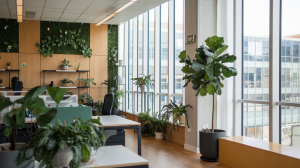
Biophilic design doesn’t just change how a room looks—it changes how people feel. Spaces filled with natural elements often feel more calming and comfortable, even if we don’t consciously notice why. The impact can be seen in both mental and physical health.
It supports better mood, reduces stress, and even helps with sleep. Plants naturally clean indoor air. Natural scents like lavender and eucalyptus promote calm. Exposure to sunlight can reset your body clock and improve energy levels. When people feel better, they tend to work better, focus more, and feel happier in their environment.
Practical Ways to Apply Biophilic Design
Adding natural elements to your space doesn’t have to mean a full renovation. You can start with small changes that make a real difference. Biophilic design can be applied in homes, offices, classrooms, and even retail spaces to create a more comfortable and inviting atmosphere.
Maximize Natural Light
Letting in more natural light can brighten a space and support productivity. Try using larger windows, glass doors, or skylights. Reflective surfaces like mirrors can help bounce light around a room. Light, sheer curtains allow sunlight while still offering privacy. Natural light also plays a role in regulating mood and improving focus.
Use Organic Materials
Materials like reclaimed wood, bamboo, or stone help bring a natural texture indoors. These choices make spaces feel grounded and warm. A simple coffee table made from salvaged wood, for example, can become a design highlight. Choose fabrics and decor items that mimic natural colors and textures to strengthen the effect.
Create Visual Connections to Nature
You can include nature-inspired elements without using live plants. Use wall art featuring trees, rivers, or mountains. Choose rugs or carpets that resemble outdoor patterns like grass or sand. Even furniture with curved, organic shapes can help remind the mind of natural surroundings.
Add Indoor Plants
 Plants are one of the easiest ways to introduce biophilic design. From tall indoor trees to small succulents, greenery helps soften a room and improve air quality. Some plants even offer a gentle fragrance that adds to the calming feel of a space. They don’t just look good—they help people feel more connected to the living world.
Bring Nature Around Your Property
Biophilic design doesn’t have to stop at the front door. Consider the outside of your property too. Whether it’s a garden, small balcony plants, or a few natural materials on a porch, adding these touches helps extend the calming atmosphere from indoors to outdoors. Natural surroundings support mood, focus, and well-being, whether you’re working, relaxing, or spending time with others.
Your Space, Reimagined With Nature
Biophilic design helps turn ordinary spaces into areas that feel alive, calming, and welcoming. By adding light, greenery, natural materials, and subtle sensory cues, you can make your space more than just a place to live or work—you can make it a place that feels good to be in.
Want more stories and tips on how nature and design intersect? Follow Green Nest News for more updates, insights, and real-life features that show how natural living fits into modern life.
