

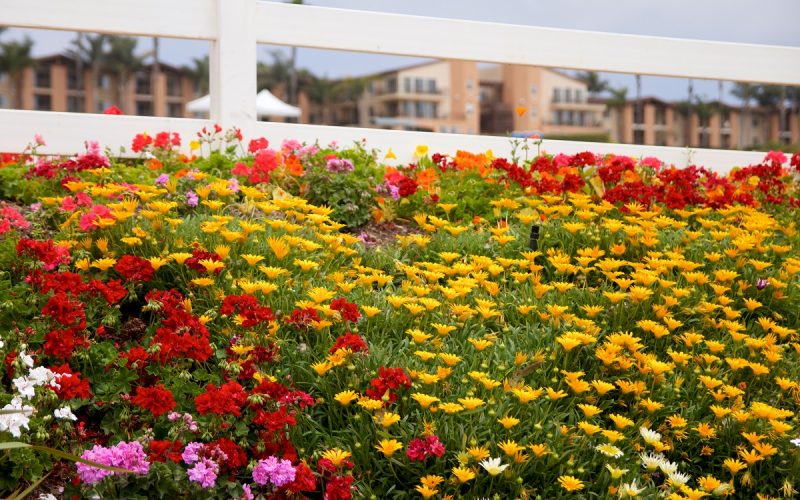
Creating a garden filled with vibrant blooms doesn’t have to require constant attention. Low-maintenance flower gardens are perfect for anyone who wants to enjoy a beautiful outdoor space with minimal effort. Whether you’re a gardening pro or just getting started, these easy-to-care-for gardens are practical and rewarding.
With the right plants and a few smart steps, you can create a thriving, colorful garden that almost takes care of itself. Let’s explore why these gardens are so popular and how to make one of your own.
What Makes Low-Maintenance Gardens Different?
 Low-maintenance gardens focus on simplicity by using plants and methods that cut down on upkeep. They typically feature hardy flowers, shrubs, and grasses that thrive with little care.
These gardens often include perennials that return year after year, saving time and effort. Mulch is a helpful addition, keeping weeds in check, conserving soil moisture, and giving the garden a tidy appearance.
The result is a beautiful space that flourishes with little intervention, ideal for busy lifestyles or anyone who wants to spend more time enjoying their garden.
Self-Seeding Flowers: A Game-Changer
Self-seeding flowers are perfect for those who want to keep gardening simple. These plants naturally drop their seeds, sprouting fresh blooms every season. Once established, they spread and grow, creating a garden full of vibrant colors with minimal effort.
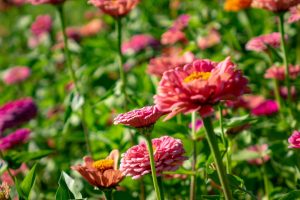
For instance, zinnias brighten your garden while attracting pollinators like bees and butterflies. Foxgloves, though technically biennial, often reseed themselves, giving the illusion of perennial blooms.
In warmer areas, flowers like cosmos and calendula reseed generously, ensuring a consistent display year after year.
Why Pick Self-Seeding Flowers?
Self-seeding flowers offer several benefits, making them a favorite for gardeners:
- Low Maintenance: Plant them once, and they return season after season, reducing the need for replanting.
- Pollinator Friendly: They attract beneficial insects like bees and butterflies.
- Natural Pest Control: Varieties like calendula help repel harmful pests.
- Organic Aesthetic: Their natural spread creates a charming, meadow-like appearance.
- Budget-Friendly: They save money by reducing the need to buy new plants each year.
These flowers are a great choice for creating a lively, colorful garden with less effort.
Best Low-Maintenance Flowers to Grow
Choosing the right plants is the first step to a hassle-free garden. Here are some top picks:
Easy Annuals
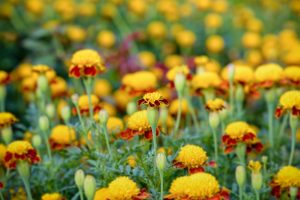
 Marigolds: Bright and resilient, they thrive even with little care.
- Zinnias: Bloom profusely until frost, adding a rainbow of colors.
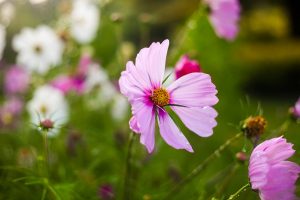
- Cosmos: These whimsical flowers grow well in sunny spots.
Reliable Perennials
- Peonies: Lush spring blooms that require little upkeep.
- Coneflowers: Hardy plants that flower from summer to fall.
- Lavender: Known for its scent, lavender blooms all summer and can be dried for decor.
Other Favorites
- Chrysanthemums: While they may need replanting every few years, their vibrant colors are worth it.
- Russian Sage: Loved by pollinators, it adds striking purple hues and a pleasant aroma.
Simple Tips for a Low-Maintenance Garden
A low-maintenance garden doesn’t mean giving up on creativity. Use these ideas to design a stunning yet stress-free space:
- Mix It Up: Combine annuals, perennials, shrubs, and bulbs for variety and year-round color.
- Plan Bloom Times: Choose plants that bloom at different times for constant beauty.
- Add Mulch: Mulch helps control weeds, retain moisture, and reduce watering needs.
- Use Natural Accents: Wooden fences, stone paths, and clay pots add charm without extra work.
- Cluster Plants: Grouping in odd numbers like 3 or 5 creates a full, natural look.
For even less upkeep, opt for plants that don’t require frequent deadheading or pruning, such as Salvia or hydrangeas.
Managing Self-Seeding Plants
Self-seeding flowers require occasional management to keep your garden balanced.
- Trim as Needed: Light trimming prevents overcrowding and keeps plants healthy.
- Control Spread with Mulch: Mulch can limit unwanted seedlings while keeping soil moist.
- Let Them Roam: Allowing self-seeders to grow freely can give your garden a wild, natural charm.
For a neater look, thin out seedlings or contain certain plants in specific areas.
Ideal Growing Conditions for Flowers
 Healthy flowers need the right environment to thrive:
- Sunlight: Most flowers prefer full sun to partial shade.
- Soil: Well-drained soil helps prevent root rot.
- Watering: Avoid overwatering; check soil moisture regularly.
- Pruning: Occasional pruning encourages new blooms and keeps plants healthy.
With these basics, your garden will stay vibrant throughout the growing season.
Create Your Low-Maintenance Garden
Low-maintenance flower gardens offer vibrant beauty without the hassle. By choosing self-seeding flowers, hardy perennials, and easy-care annuals, you can create a thriving space that almost takes care of itself.
Ready to transform your yard into a colorful haven? Start planning your low-maintenance garden today and enjoy the effortless joy of blooming flowers.
For more gardening ideas and inspiration, follow Green Nest News—your go-to source for everything green and growing!
