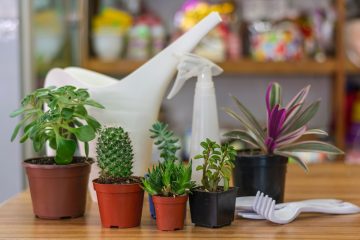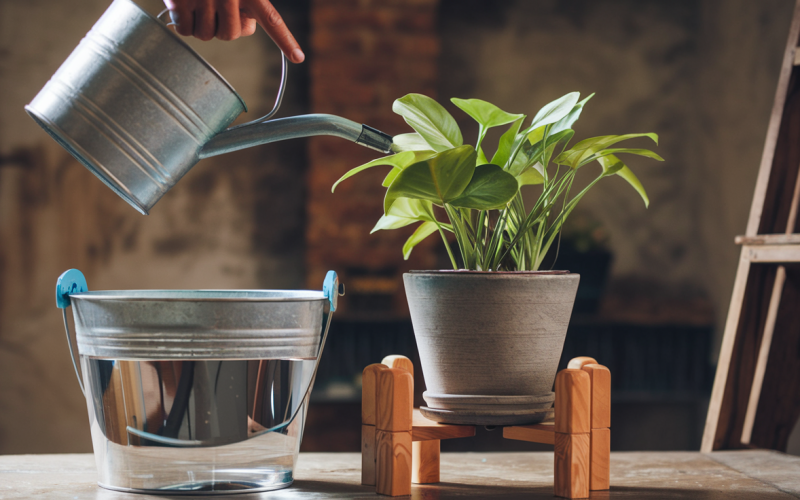
Watering your plants might seem straightforward, but doing it right makes all the difference in their health and growth. Each plant has specific watering needs depending on its type, size, and soil condition.
For instance, cacti thrive in dry conditions and need infrequent watering, while ferns grow best in consistently moist soil.
By understanding these differences and using practical techniques, you can help your plants thrive. Here are some helpful watering hacks to make plant care easier and more effective.
Understanding Your Plants’ Needs
 The best way to water your plants properly is to learn what each one requires. Over time, you’ll notice that some plants are more resilient to dry soil, like succulents and cacti, which store water in their leaves and stems.
Other plants, like tropical varieties, need regular moisture and higher humidity to stay healthy. Observing soil moisture, plant behavior, and environmental conditions will guide you toward a routine tailored to your garden.
Practical Watering Techniques
Modern gardening has introduced creative ways to water plants efficiently. These approaches save time, reduce water waste, and promote healthier growth.
1. Glass Bottle Method
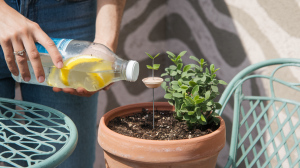
This method is simple and effective for keeping potted plants hydrated. Fill a clean glass or plastic bottle with water, invert it, and insert the neck into the soil near the plant.
As the soil dries, it will absorb water from the bottle, keeping moisture levels steady. This is especially helpful for gardeners with busy schedules or during hot weather.
2. Houseplant Bath Method
This method gives houseplants a thorough soak without overwatering. Place your potted plants in a bathtub or sink with a few inches of water. Leave them for about 30 minutes, allowing the soil to absorb water through the drainage holes. This technique works particularly well for plants that thrive in humid conditions.
3. Wicking System
If you’re away for an extended time, a wicking system can help maintain soil moisture. Use a cotton string or shoelace to create the wick.
Place one end in a container of water and the other in the plant’s soil. The wick gradually transfers water, keeping the soil moist without the risk of overwatering.
4. Plant Saucer Method
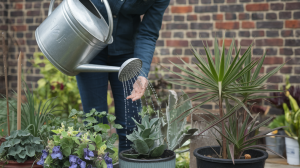
Some plants, like African violets, prefer to draw water from below. Place a saucer of water under the pot, and the soil will absorb moisture as needed. This technique keeps water off the leaves, which helps prevent disease while maintaining hydration.
5. DIY Plastic Greenhouse
For plants that thrive in humidity, create a simple greenhouse effect using a clear plastic bag. Cover the plant, making sure the bag doesn’t touch the leaves. This setup traps moisture and warmth, creating an ideal environment. Vent the bag occasionally to avoid mold buildup.
6. Self-Watering Plastic Bottle Planter
Repurpose plastic bottles into self-watering containers. Cut a bottle in half, invert the top portion, and place it in the bottom half filled with water.
Add soil and your plant to the top section. Water will seep through gradually, keeping the soil evenly moist. This technique is eco-friendly and keeps plants hydrated without daily watering.
Advanced Techniques for Larger Gardens
For gardeners with larger spaces or those looking for precise methods, advanced watering systems offer excellent solutions.
- Self-Watering Pots: These containers store water in a built-in reservoir and release it gradually to the plant’s roots.
- Hydrospikes: Porcelain spikes connected to a water source release water slowly as the soil dries.
- Ollas System: Burying porous clay pots near plant roots allows water to seep out gradually, reducing waste.
- Drip Irrigation: A precise system that delivers water directly to the plant base, minimizing evaporation and runoff.
These techniques can help conserve water while supporting healthy growth across your garden.
Eco-Friendly Watering Practices
Sustainability in gardening benefits both the environment and your plants. Adopting these simple practices helps conserve resources and reduce waste.
 Collect Rainwater: Use a rain barrel to gather water from your roof. This natural, chlorine-free source is perfect for plants.
- Reuse Bottles: Place old plastic bottles neck-down in the soil to release water gradually.
- DIY Watering Can: Transform an old container into a watering tool for direct hydration with minimal waste.
By using these methods, you can reduce your water consumption while keeping your garden lush and healthy.
Customizing Your Watering Routine
Every plant and garden has its own set of needs. By experimenting with different methods and observing your plants, you’ll find what works best. Regularly check the soil moisture, monitor weather conditions, and adjust your watering approach as needed.
Watering your plants doesn’t have to be complicated. By learning their requirements, using innovative techniques, and practicing sustainable methods, you can create a thriving garden with less effort.
For more gardening tips and ideas, visit Green Nest News. Let’s grow together and inspire other plant enthusiasts to nurture beautiful, healthy gardens!